
🎁 Nhập mã www.toarco.com để được giảm 10%!
In recent years, 3king have emerged as a captivating intersection between visual storytelling forms, blending the vibrant aesthetics of anime with the narrative depth of graphic novels. This hybrid genre not only broadens the creative horizons for artists & writers but also resonates with a diverse global audience eager for innovative narrative experiences. As the boundaries between traditional manga, Western comics, & animated series continue to blur, understanding the evolution, influence, & future potential of 3king becomes vital for enthusiasts & industry insiders alike.
The relationship between anime & graphic novels has historically been intertwined, with manga serving as the primary foundational medium for many anime series. However, over the past decade, this relationship has expanded, evolving from simple source material to a more complex dialogue where each influences & inspires the other. The rise of anime-inspired graphic novels reflects this organic growth, where creators draw upon iconic visual styles & storytelling tropes from their favorite series while exploring mới themes & narrative techniques within the graphic novel format.
This evolution underscores a broader cultural shift: the increasing acceptance of cross-truyền thông storytelling. Today, a story conceived as an anime series can be reimagined as a graphic novel, offering different pacing, artistic expression, & readership engagement. Conversely, graphic novels that incorporate anime-inspired art or narrative tropes can breathe mới life into the traditional comic book scene, making it more vibrant & accessible to fans of animated series. Such cross-pollination not only enriches each medium but also strengthens the global community of fans, promoting a shared appreciation for diverse storytelling modalities.
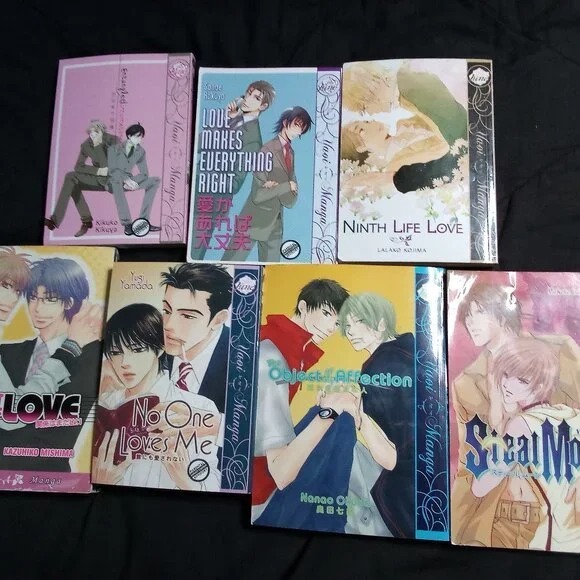
At the core of the connection between 3king & traditional comics or manga lies a distinctive visual language—character designs, exaggerated expressions, dynamic action sequences, & an emphasis on vibrant color schemes. These elements serve as a universal visual shorthand that immediately communicates energy, emotion, & storytelling intent to audiences worldwide. The bold lines & expressive features common in anime seamlessly translate into the pages of graphic novels, creating a visual bridge that makes storytelling more engaging & immediate.
What makes this shared visual language powerful is its ability to evoke visceral emotional responses. Artists & writers capitalize on the familiarity of anime aesthetics—even when diverging into original stories—to instantly attract fans & create immersive worlds. The fluidity of motion, the intricate backgrounds, & the emotive character portrayal foster a sense of continuity across mediums, encouraging fans to view graphic novels not just as static stories but as dynamic extensions of anime worlds. This common visual grammar helps demystify complex themes & enhances storytelling clarity, making the medium accessible & compelling.

Anime-inspired graphic novels are carving out a quality niche in the graphic storytelling landscape, characterized by their vibrant art styles & often ambitious narratives. This genre’s rapid growth is fueled by a convergence of người enthusiasm, technological advancements in digital art, & a global appetite for diverse narratives rooted in anime’s expressive visual culture. Artists often incorporate signature elements—such as chibi characters, detailed mechs, or supernatural motifs—while experimenting with the conventions of the graphic novel format to craft stories that feel both fresh & familiar.
What sets anime-inspired graphic novels apart is their potential to explore themes & genres that traditional Western comics may shy away from, such as spirituality, complex moral dilemmas, or intricate world-building. For many creators, this genre offers the freedom to push artistic boundaries while tapping into the emotional resonance of anime storytelling. As more publishers recognize the commercial & artistic potential of this fusion, anime-inspired graphic novels are poised to further influence the broader comics industry, attracting diverse audiences eager for bold visuals & layered narratives.
Anime’s impact on graphic novel storytelling is profound—shaping narrative structures, character development, & visual styles. Many graphic novel creators draw inspiration from anime’s cinematic techniques, such as dynamic panel transitions, time manipulation, & layered symbolism. This influence results in stories that oscillate between deeply introspective moments & high-octane action, reminiscent of anime’s signature pacing & tone. When creators adopt these techniques, the storytelling becomes more fluid, engaging, & emotionally resonant, elevating graphic novels from mere comics to visual experiences akin to watching an animated masterpiece.
Conversely, graphic novels also influence anime by providing rich source material that is more detailed & nuanced than traditional scripts or storyboards. The back-&-forth exchange creates a cycle of inspiration that fuels innovation in both realms. Some anime adaptations of graphic novels succeed by capturing the essential visual & thematic elements, while others face challenges in translating the art’s depth into animated form. Nonetheless, this continuous dialogue between the two formats signifies a future where the boundaries between page & screen become even more fluid, allowing stories to evolve seamlessly across mediums.
Xem thêm: https://www.ceritapantura.com/vegas79---nhan-dinh-chinh-20251123-191626.html
While manga has traditionally dominated the conversation about anime-inspired storytelling, Western graphic novels have increasingly adopted anime aesthetics to tell culturally diverse stories. These comics blend the manga-influenced art styles—such as large expressive eyes & dynamic action lines—with Western-themed narratives. Titles in this vein often explore themes like identity, technology, & mạng thị trấn hội justice through vibrant visuals, reflecting the global influence of anime’s visual language.
This trend highlights a democratization of anime aesthetics beyond Japan, fostering a multicultural & multi-genre experimentation that transcends borders. Western creators incorporate anime-inspired visual elements to engage mới audiences & challenge conventional storytelling formats, often resulting in hybrid narratives that appeal to both manga aficionados & mới readers. This cross-cultural exchange enriches the global comics industry, opening avenues for innovative storytelling that respects artistic differences while celebrating shared visual & thematic tropes.
The art styles & narrative techniques across anime & graphic novels are both convergent & divergent, but their creative parallels enhance storytelling depth. Both mediums leverage expressive character designs, innovative panel layouts, & thematic symbolism to evoke moods & underscore emotional arcs. In particular, the subliminal use of color, contrast, & visual motifs in anime inspires graphic novel artists to craft layered narratives that tap into subconscious associations, enriching the reader’s experience.
Narrative techniques like nonlinear storytelling, inner monologues, & multi-layered plots are staples in anime & are increasingly adopted by graphic novel creators. These approaches allow both formats to explore complex themes—such as existentialism, societal critique, or personal growth—through rich visual metaphors & dynamic storytelling devices. Recognizing these parallels deepens our appreciation for both art forms as sophisticated, adaptive storytelling systems capable of pushing creative boundaries & resonating with audiences on multiple levels.
The communities surrounding anime & graphic novels have begun to overlap, driven by shared interests in visual storytelling & genre diversity. Fans of anime frequently seek out graphic novels that echo their favorite styles or narratives, leading to a vibrant crossover culture on platforms like mạng thị trấn hội truyền thông, manga conventions, & online diễn anh em. This convergence fosters a sense of inclusivity, allowing fans to explore different formats while sharing their passion & interpreting stories through various lenses.
Moreover, người communities actively promote & create nội dung—người art, reviews, & cosplays—that celebrate both mediums simultaneously. This symbiotic relationship encourages more creators to produce anime-inspired graphic novels with audience input, further cementing the cultural exchange. The interconnectedness of these communities exemplifies how collective fandom can propel industry innovation, leading to more diverse, inclusive, & boundary-pushing storytelling that appeals to a broad & engaged audience.
Anime & graphic novels often explore universal themes such as heroism, identity, love, loss, & societal conflict, which resonate deeply with audiences worldwide. These shared tropes—whether it’s the reluctant dũng sĩ’s journey, dystopian futures, or coming-of-age stories—are expressed through distinct visual & narrative styles in each medium but ultimately reflect common human experiences. The adaptability of these themes across both forms demonstrates their fundamental importance in storytelling’s evolution.
What makes these themes compelling in both contexts is the ability to approach them through layered symbolism, aesthetic innovation, & emotional nuance. For instance, a graphic novel inspired by anime may diminish traditional genre boundaries, blending sci-fi with introspective character work. By analyzing these common themes, creators can craft narratives that are both familiar & novel, harnessing the power of visual storytelling to evoke empathy, challenge perceptions, & inspire reflection.
Adapting anime into graphic novels has proven to be both a creative boon & a significant challenge. Successful adaptations often capture the essence of the original series—its art style, tone, & core themes—while offering mới perspectives & expanded lore. For example, graphic novel versions of popular series like My Hero Academia or Attack on Titan have garnered acclaim for providing alternative insights into beloved worlds & characters, enriching the người experience.
However, the transition from animation to static images poses challenges such as maintaining motion fluidity & conveying dynamic action scenes convincingly. Artists must balance authenticity with artistic reinterpretation, occasionally risking alienating purists. Looking ahead, advancements in digital art & augmented reality could revolutionize how anime is adapted into graphic novels, allowing for more interactive & immersive storytelling experiences. This future trend points toward richer cross-truyền thông collaborations which can deepen người engagement & foster innovative storytelling formats.
As technological innovations continue to democratize nội dung creation & distribution, both anime & graphic novels are poised to shape the future of visual storytelling profoundly. The growing accessibility of digital tools allows independent creators to produce high-quality nội dung aligned with anime aesthetics, contributing to an industry that values diverse voices & experimental forms. Meanwhile, trends like augmented reality, virtual reality, & interactive comics suggest mới pathways for immersive storytelling that combine animation’s dynamism with graphic novels’ narrative depth.
Furthermore, the blending of anime & graphic novel storytelling formats will likely lead to hybrid genres that challenge conventional categorizations, broadening the scope of what visual storytelling can achieve. As audiences become more globalized & digitally connected, the demand for visually striking, emotionally resonant, & thematically rich narratives will accelerate, inspiring creators to innovate continuously. Ultimately, the synergy between anime & graphic novels promises to revolutionize narrative art, making storytelling more inclusive, multifaceted, & compelling than ever before.
The landscape of 3king is vibrant & rapidly evolving, serving as a nexus where diverse creative worlds converge. From exploring shared visual languages to analyzing thematic commonalities, the integration of anime aesthetics into the graphic novel realm exemplifies how visual storytelling adapts & flourishes in a digital age. With the rise of crossover communities, technological advancements, & innovative narrative approaches, 3king stand at the forefront of shaping the future of visual storytelling. Their capacity to blend art, emotion, & culture promises exciting developments that will resonate with audiences worldwide for years to come.